::: {#38ba .section .section .section—body .section—first .section—last} ::: section-divider
:::
::: section-content ::: {.section-inner .sectionLayout—insetColumn}
我喜欢阅读1980年代的计算机杂志,你也应该读一下 {#1f5f .graf .graf—h3 .graf—leading .graf—title name=“1f5f”}
编译自连线杂志的文章:I Love Reading 1980s Computer Magazines, and So Should You{.markup—anchor .markup—p-anchor data-href=“https://link.zhihu.com/?target=https%3A//www.wired.com/story/i-love-reading-1980s-computer-magazines-and-so-should-you/” rel=“nofollow noreferrer noopener” target=“_blank”}(2021/1/26)
副标题:这不仅仅是怀旧的事情。回顾过去常常会带来新的东西。
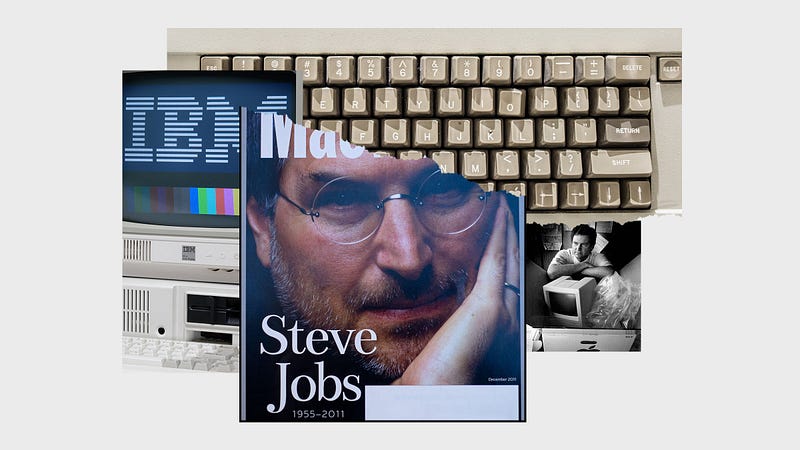
想象一下,走进一家贺卡店,得到一首由电脑专门为你写的诗。考虑到最近人工智能驱动的语言模型(如GPT-3{.markup—anchor .markup—p-anchor data-href=“https://link.zhihu.com/?target=https%3A//www.wired.com/story/give-apps-notes-they-write-emails/” rel=“nofollow noreferrer noopener” target=“_blank”})的发展,这并不是一个疯狂的想法。但我所描述的产品一点也不新鲜。它被称为Magical Poet{.markup—anchor .markup—p-anchor data-href=“https://link.zhihu.com/?target=https%3A//www.newspapers.com/clip/12330745/courier-post/” rel=“nofollow noreferrer noopener” target=“_blank”},早在1985年就安装在Macintosh电脑上。
我在当年11月的《MacUser》杂志{.markup—anchor .markup—p-anchor data-href=“https://link.zhihu.com/?target=https%3A//archive.org/details/MacUser8511November1985/page/n29/mode/2up” rel=“nofollow noreferrer noopener” target=“_blank”}上发现了这个产品,就在苹果公司宣布正在开发生成数字化语音的公告旁边。在互联网档案馆(Internet Archive)浏览20世纪80年代和90年代的计算机杂志是我的一个爱好,它很少让人失望。考虑到我以苹果为中心的童年,我的品味倾向于《MacUser》杂志和《Macworld》杂志,不过我也会看一些《BYTE》杂志{.markup—anchor .markup—p-anchor data-href=“https://link.zhihu.com/?target=https%3A//archive.org/details/byte-magazine-1984-07-rescan” rel=“nofollow noreferrer noopener” target=“_blank”}。我喜欢旧广告的冗长,用整段文字介绍产品的细节。我喜欢这些杂志唤起的怀旧之情,当电脑第一次进入我们的生活时,它带给我们的惊奇和可能性。
但这不仅仅是快乐。我发现,挖掘旧技术往往能给我们带来新的东西。
尤其是当你在挖掘个人电脑的早期阶段时,就像我喜欢做的那样。尤其是这些旧杂志,描述了一种硬件和软件设计多样性的大爆发。你可能会遇到一个独立的软件辞典{.markup—anchor .markup—p-anchor data-href=“https://link.zhihu.com/?target=https%3A//archive.org/details/MacUser8806June1988/page/n27/mode/2up” rel=“nofollow noreferrer noopener” target=“_blank”}(附有 William f. Buckley jr.的推荐!),或者是单词搜索生成器{.markup—anchor .markup—p-anchor data-href=“https://link.zhihu.com/?target=https%3A//archive.org/details/MacUser8707July1987/page/n33/mode/2up” rel=“nofollow noreferrer noopener” target=“_blank”},或者是软盘上的杂志{.markup—anchor .markup—p-anchor data-href=“https://link.zhihu.com/?target=https%3A//archive.org/details/MacUser8806June1988/page/n103/mode/2up” rel=“nofollow noreferrer noopener” target=“_blank”}。不要忘记MacTable{.markup—anchor .markup—p-anchor data-href=“https://link.zhihu.com/?target=https%3A//archive.org/details/MacWorld_8711_November_1987/page/n91/mode/2up” rel=“nofollow noreferrer noopener” target=“_blank”},这是一款丹麦制造的山毛榉桌子,适合Macintosh电脑及其各种外设。
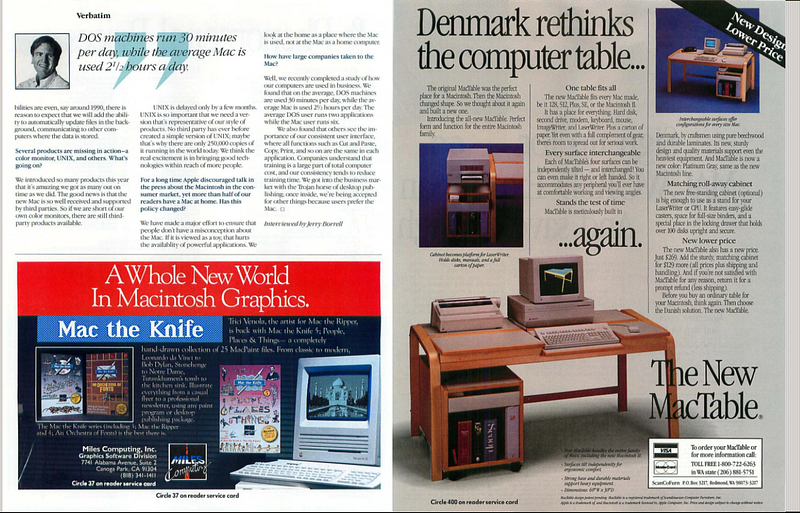
在20世纪80年代和90年代初,我们尝试了大量新概念,其中许多在我们今天看来很奇怪。随着这些技术可能性的筛选,我们进入了开发(exploit)阶段,开发出最有效的东西。个人电脑就是这样(个人电脑桌也是这样);但在其他领域的创新同样如此 --- --- 看看早期的飞行装置或自行车设计就知道了。
https://www.youtube.com/watch?v=M9Yww9LG3gw{.markup—anchor .markup—p-anchor data-href=“https://www.youtube.com/watch?v=M9Yww9LG3gw” rel=“nofollow noopener” target=“_blank”}
一些技术消失是有充分理由的。高轮单车(Penny-farthing,一种前轮大后轮小的脚踏车)回想起来似乎有点可笑 --- --- 也相当危险。在达尔文式的斗争中,它应该消亡{.markup—anchor .markup—p-anchor data-href=“https://link.zhihu.com/?target=https%3A//rootsofprogress.org/why-did-we-wait-so-long-for-the-bicycle” rel=“nofollow noreferrer noopener” target=“_blank”}。但有时一项创新会因为其他一些不太重要的原因而消亡 --- --- 这更多的是当时市场的作用,或者是其他因素。我想没有人怀念汽车时代开始时的实验性蒸汽动力汽车{.markup—anchor .markup—p-anchor data-href=“https://link.zhihu.com/?target=https%3A//www.wired.com/2009/06/dayintech-0601/” rel=“nofollow noreferrer noopener” target=“_blank”}。但当时的发明家和修理工也在研究电动汽车 --- --- 正如万尼瓦尔·布什(Vannevar Bush)曾经指出的那样,这些汽车只是因为电池不够好而失败了。换句话说,对于一个好主意来说,这是一个糟糕的时机。
许多其他好的想法被埋没在过去,等待着被重新发现。历史是一部考古学的讲述,有层层揭秘,也有灵感的泉源。例如,HyperCard{.markup—anchor .markup—p-anchor data-href=“https://zhuanlan.zhihu.com/p/101126044” rel=“noopener” target=“_blank”}是1987年为Mac开发的软件工具,它允许非程序员不用编程来构建自己的程序。1988年的神经网络软件包{.markup—anchor .markup—p-anchor data-href=“https://link.zhihu.com/?target=https%3A//archive.org/details/BYTE-MAGAZINE-1988-12/page/n357/mode/2up” rel=“nofollow noreferrer noopener” target=“_blank”}与推动当今技术进步的机器学习技术有相似之处。而1994年帮助你进行头脑风暴的”electronic napkin{.markup—anchor .markup—p-anchor data-href=“https://link.zhihu.com/?target=https%3A//archive.org/details/MacUser9402February1994/page/n9/mode/2up” rel=“nofollow noreferrer noopener” target=“_blank”}“,在今天所谓的”思考工具”(tools for thought)中重生。虽然真正的消亡在科技领域可能相当罕见 --- --- 凯文·凯利(Kevin Kelly)认为没有任何一项技术会真正消亡{.markup—anchor .markup—p-anchor data-href=“https://link.zhihu.com/?target=https%3A//www.npr.org/sections/krulwich/2011/02/04/133188723/tools-never-die-waddaya-mean-never” rel=“nofollow noreferrer noopener” target=“_blank”} --- --- 但许多早期的软件和硬件概念确实从大众的想象和广泛使用中消失了。在档案馆上闲逛,有很多东西可以学习。
但不幸的是,技术人员往往会忽视这一切。几年前,《纽约客》{.markup—anchor .markup—p-anchor data-href=“https://link.zhihu.com/?target=https%3A//www.newyorker.com/magazine/2018/10/22/did-uber-steal-googles-intellectual-property” rel=“nofollow noreferrer noopener” target=“_blank”}援引了最近被赦免的自动驾驶汽车先驱安东尼·莱万多夫斯基(Anthony Levandowski)的话说,他对过去发生的一切都毫无信仰:
我都不知道我们为什么要学历史。我猜这很有趣 --- --- 恐龙、尼安德特人和工业革命等等。但是已经发生的事情并不重要。你不需要了解历史,就能在他们创造的基础上继续发展。在技术领域,最重要的是明天。
莱万多夫斯基的观点绝不是普遍的,但也并不罕见。正如伊恩·博格斯特(Ian Bogost)对The Baffler{.markup—anchor .markup—p-anchor data-href=“https://link.zhihu.com/?target=https%3A//thebaffler.com/salvos/the-trolls-of-academe-marzoni” rel=“nofollow noreferrer noopener” target=“_blank”}说的那样,“计算是科学中最非历史的学科之一。“(Computing is one of the most ahistorical disciplines in the sciences)
计算机科学家布雷特·维克多(Bret Victor){.markup—anchor .markup—p-anchor data-href=“https://zhuanlan.zhihu.com/p/269567412” rel=“noopener” target=“_blank”}在一次演讲{.markup—anchor .markup—p-anchor data-href=“https://link.zhihu.com/?target=http%3A//worrydream.com/dbx/” rel=“nofollow noreferrer noopener” target=“_blank”}中巧妙地将这个问题用非历史的思维方式解释清楚,他假装自己在1973年演讲。他通过一个又一个例子证明,几十年前就有一些疯狂而精彩的创新 --- --- 从直接操纵数据到并行计算范式 --- --- 但现代技术人员却忽视了这些创新。维克多认识到,历史上充满了错失的机会。
为了摆脱这种困境,我们需要一种新的创新方法,一种基于文艺复兴时期人文主义精神的方法。虽然我们倾向于认为人文主义是对理性和个人主义的承诺,但正如蒂姆·卡莫迪(Tim Carmody)所描述的那样{.markup—anchor .markup—p-anchor data-href=“https://link.zhihu.com/?target=https%3A//kottke.org/17/04/what-is-digital-humanism” rel=“nofollow noreferrer noopener” target=“_blank”},“真正喜欢旧书和手稿,越古怪越好”,并努力驱散它们。更具体地说,我认为我们应该引导这种冲动,帮助我们重新审视旧的技术知识,发掘被遗忘的发现。这不是一种不假思索的崇拜,而是有原则地追求过去的洞察力。软件开发人员应该从旧的计算机杂志中寻找灵感。工程师应该去参观博物馆。科学家们应该挖掘所有隐藏在学术文献中的”未被发现的公共知识”(undiscovered public knowledge){.markup—anchor .markup—p-anchor data-href=“https://link.zhihu.com/?target=https%3A//www.jstor.org/stable/4307965%3Fseq%3D1” rel=“nofollow noreferrer noopener” target=“_blank”}。
在某种程度上,这种工作已经在进行了。科罗拉多大学博尔德分校(The University of Colorado Boulder)的媒体考古实验室(Media Archaeology Lab){.markup—anchor .markup—p-anchor data-href=“https://link.zhihu.com/?target=https%3A//www.mediaarchaeologylab.com/” rel=“nofollow noreferrer noopener” target=“_blank”}收集旧的硬件和软件,并允许访问者与它们互动 --- --- 我在那里浏览旧的计算书籍,玩一个可以运行的NeXTcube。正如该实验室在其网站上指出的那样,该实验室”展示了技术史上的另一条道路,并使访问者能够想象另一种现在和未来。“(demonstrates alternative paths in the history of technology and empowers visitors to imagine an alternative present and future.)计算机科学家比尔·巴克斯顿(Bill Buxton)收集了许多输入和交互设备,并使它们可以在线浏览{.markup—anchor .markup—p-anchor data-href=“https://link.zhihu.com/?target=https%3A//www.microsoft.com/buxtoncollection/browse.aspx%3FranMID%3D24542%26ranEAID%3DTnL5HPStwNw%26ranSiteID%3DTnL5HPStwNw-_aeL_EAjW0.kXuUpQ6TF1A%26epi%3DTnL5HPStwNw-_aeL_EAjW0.kXuUpQ6TF1A%26irgwc%3D1%26OCID%3DAID2000142_aff_7593_1243925%26tduid%3D%2528ir__lf3sgh2vqckfq2pokk0sohzidv2xp332f0tajqoj00%2529%25287593%2529%25281243925%2529%2528TnL5HPStwNw-_aeL_EAjW0.kXuUpQ6TF1A%2529%2528%2529%26irclickid%3D_lf3sgh2vqckfq2pokk0sohzidv2xp332f0tajqoj00” rel=“nofollow noreferrer noopener” target=“_blank”}。计算机历史博物馆(The Computer History Museum){.markup—anchor .markup—p-anchor data-href=“https://link.zhihu.com/?target=https%3A//computerhistory.org/” rel=“nofollow noreferrer noopener” target=“_blank”}拥有大量的计算机收藏品,最近还将20多年来具有开创性的编程语言Smalltalk在网上公开{.markup—anchor .markup—p-anchor data-href=“https://link.zhihu.com/?target=https%3A//computerhistory.org/blog/introducing-the-smalltalk-zoo-48-years-of-smalltalk-history-at-chm/” rel=“nofollow noreferrer noopener” target=“_blank”}。
这些项目帮助我们对技术的路径依赖性演变有了更深的理解。它们使我们能够重新审视旧的东西,以便建立新的东西。
相关链接:
在万维网兴起之前,HyperCard做了所有的事情{.markup—anchor .markup—p-anchor data-href=“https://zhuanlan.zhihu.com/p/101126044” rel=“noopener” target=“_blank”}
Did Uber Steal Google’s Intellectual Property?{.markup—anchor .markup—p-anchor data-href=“https://link.zhihu.com/?target=https%3A//www.newyorker.com/magazine/2018/10/22/did-uber-steal-googles-intellectual-property” rel=“nofollow noreferrer noopener” target=“_blank”}
References for “The Future of Programming”{.markup—anchor .markup—p-anchor data-href=“https://link.zhihu.com/?target=http%3A//worrydream.com/dbx/” rel=“nofollow noreferrer noopener” target=“_blank”}
The Trolls of Academe{.markup—anchor .markup—p-anchor data-href=“https://link.zhihu.com/?target=https%3A//thebaffler.com/salvos/the-trolls-of-academe-marzoni” rel=“nofollow noreferrer noopener” target=“_blank”}
What Is Digital Humanism?{.markup—anchor .markup—p-anchor data-href=“https://link.zhihu.com/?target=https%3A//kottke.org/17/04/what-is-digital-humanism” rel=“nofollow noreferrer noopener” target=“_blank”}
Undiscovered Public Knowledge{.markup—anchor .markup—p-anchor data-href=“https://link.zhihu.com/?target=https%3A//www.jstor.org/stable/4307965%3Fseq%3D1” rel=“nofollow noreferrer noopener” target=“_blank”}
The Media Archeology Lab{.markup—anchor .markup—p-anchor data-href=“https://link.zhihu.com/?target=https%3A//www.mediaarchaeologylab.com/” rel=“nofollow noreferrer noopener” target=“_blank”}
Computer History Museum{.markup—anchor .markup—p-anchor data-href=“https://link.zhihu.com/?target=https%3A//computerhistory.org/” rel=“nofollow noreferrer noopener” target=“_blank”}
INTRODUCING THE SMALLTALK ZOO{.markup—anchor .markup—p-anchor data-href=“https://link.zhihu.com/?target=https%3A//computerhistory.org/blog/introducing-the-smalltalk-zoo-48-years-of-smalltalk-history-at-chm/” rel=“nofollow noreferrer noopener” target=“_blank”} ::: ::: :::